Making a Cool Monster
If you are reading a monster manual, fiend folio, creature compendium or similarly alliterative literature, invariably organized alphabetically, monsters will start to blur together the deeper into the alphabet you get. I understand that a marrow isn’t a mermaid, but honestly is there enough of a difference to justify a separate page or should we just use the stats of a sea-bear for both? However, two monsters toward the end of any alphabetical almanac of abominations are so different that even the most distracted, brainrotten reader could not mistake them for one another. V is for Vampire, and Y is for Yeti.
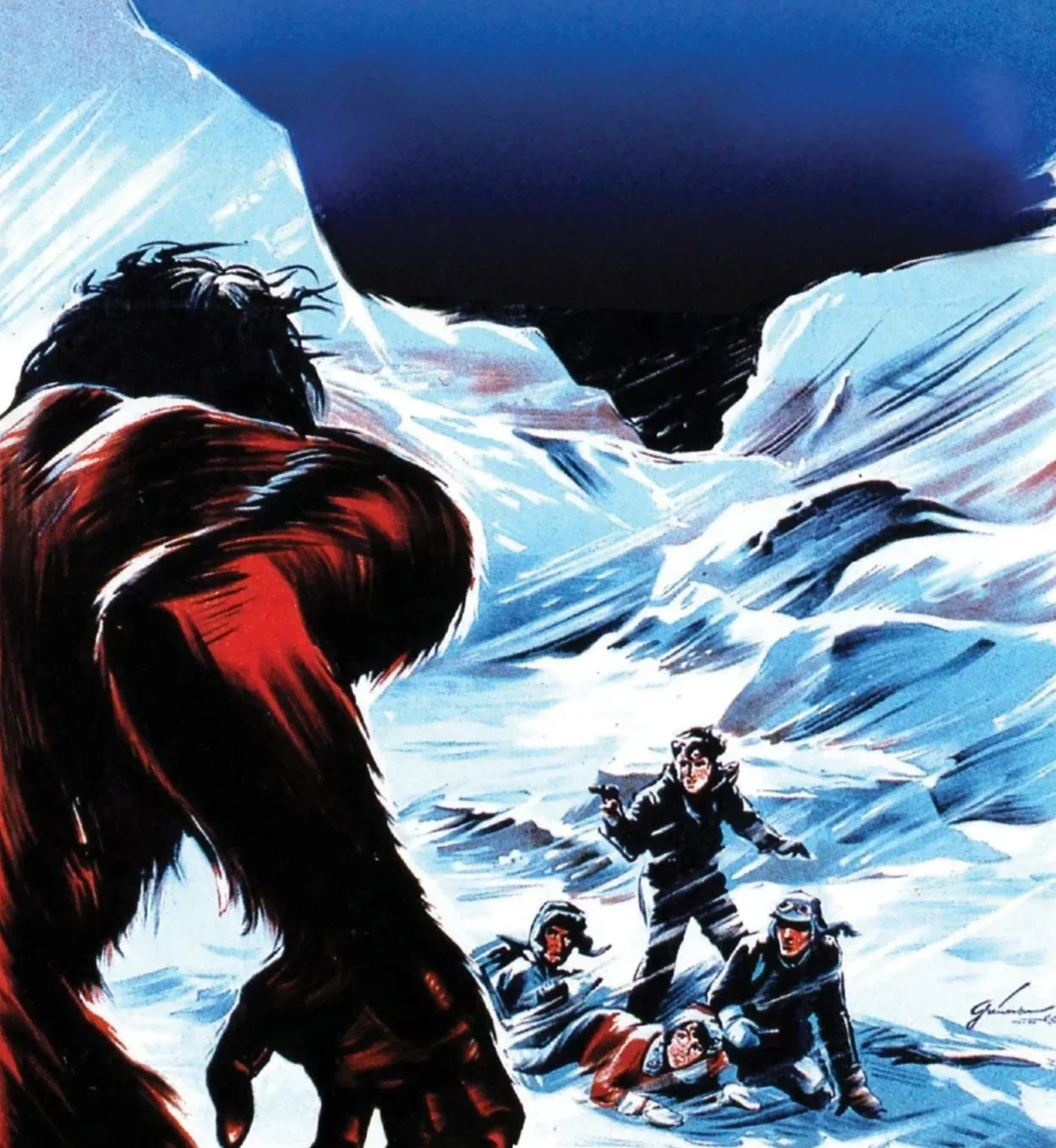
The yeti is juiceless. As I was getting into the Halloween spirit, I watched The Abominable Snowman (1957), one of the Hammer horror films that is not at all about Dracula despite the presence of Peter Cushing in a lead role. I was struck by an undeniable fact: the titular abominable snowman is a boring monster. It is basically just a snowy bigfoot and there isn’t much more to it. This is purposeful for the movie in which it is revealed that the real monster is humanity (many such cases), but it strays from your expectations when watching a monster flick. And most bog-standard fantasy roleplaying games really have a lot in common with monster flicks in that you go in with the expectation that if you come across a monster, the monster should be scary and/or cool. Most D&D campaigns lack the introspection to realize the real monster is the player characters (although it’s often the case).
The vampire bleeds with juice. Dragons may be the iconic monster of fantasy, but even they are nowhere near as juicy an adversary as the vampire (a succulence which easily translates to almost every other genre of fiction as well [see, e.g., A Perfect Wife by my friend, Zedeck]). I’ll make my case for the vampire’s supremacy throughout this post as I explain what makes for a maximally juicy monster, but could there be better proof than how the vampire is the single monster that has most influenced major trends in the roleplaying game hobby? A vampire-centered module shifted “the more open-ended, sandbox play of the old school” to the “adventure path style of play”, a game where you pretend to be a vampire supplanted D&D’s stranglehold on the hobby for the the better part of a decade and inspired (by backlash) the precursors to the modern story game movement(s), and a totally different game about being a vampire is probably the best known example of the contemporary trend (particularly during the pandemic) of solo games. I’m just not sure Castle Matterhorn, Yeti: The Escapade or Thousand Year Old Abominable Snowman would have made quite the same splashes.
Like my encounter checklist, the use case is not to try to check off every single one of these when designing your monsters. Doing that may lead to too many vampire-types, not enough goblin-types (and goblins are great monsters in their own right). However, if you feel like your monster is just lacking a little razzmatazz or oomph, going through this list and brainstorming one or two items you could use to flesh out your monster will do wonders with respect to juice. You may also combine my checklist with Goblin Punch’s own Monster Checklist (focused more on making sure the monster is an engaging encounter than just that the monster is cool as hell, which is more my aim in this post) to ensure your monster is a hit.
We briefly interrupt your regularly scheduled blogovision program to make two public service announcements: First, you have until November 7 to join in the Blogwagon on Player Advice. Second, there is a free 31-hex autumnal adventure inspired by Over The Garden Wall (2014) put together by the good people over at my discord server for your adventuring enjoyment.
1. Cool monsters are a threat.
This is almost a baseline requirement for something to be an actual monster, at least in most games. Things like sheep dragons or lemures that aren’t ever intended to be in conflict with the player characters and, even if conflict were to arise, would not be a meaningful challenge, aren’t really monsters at all. They are set dressing.
The vampire and yeti both clear this basic hurdle. The vampire can and likely will kill player characters (or if not thwarted by player characters, will kill other innocents within the vaguely eastern European village surrounding the vampire’s castle). The yeti is a territorial hunter, and woe betide you if you’re their prey or encroach on their territory.
2. Cool monsters want something important.
It is even better when they can get what they want from the player. A vampire’s hierarchy of needs would include both fresh blood and to create thralls to obey their commands, and player characters are potential sources of both. Both of these are specific cases of probably the two most common “wants” from monsters: some monsters want power and some monsters just want to eat you. These are too broad to be particularly interesting desires but the vampire sharpens them. The vampire doesn’t just want generic power, they want you to be their thrall (and the way I typically run thrallhood is basically they want the target to fall madly in love with them, à la the many instances of vampire romance or the fact that Dracula was polygamous). The vampire doesn’t just want to eat you the way a starving tiger might, they specifically want to drink your blood and satisfying that want is likely to turn you into a vampire (or lesser undead) in the process. The monster that wants to eat player characters is tried and true, but I do prefer when it’s more specific like the vampire’s desire to drink blood. This is also a good opportunity to “attack all parts of the character sheet” with monsters like the rust monster who wants to “eat” your metallic weapons and armor or the more obscure (but wonderful, I am its #1 fan) Aurumvorax that wants to eat your gold coins.
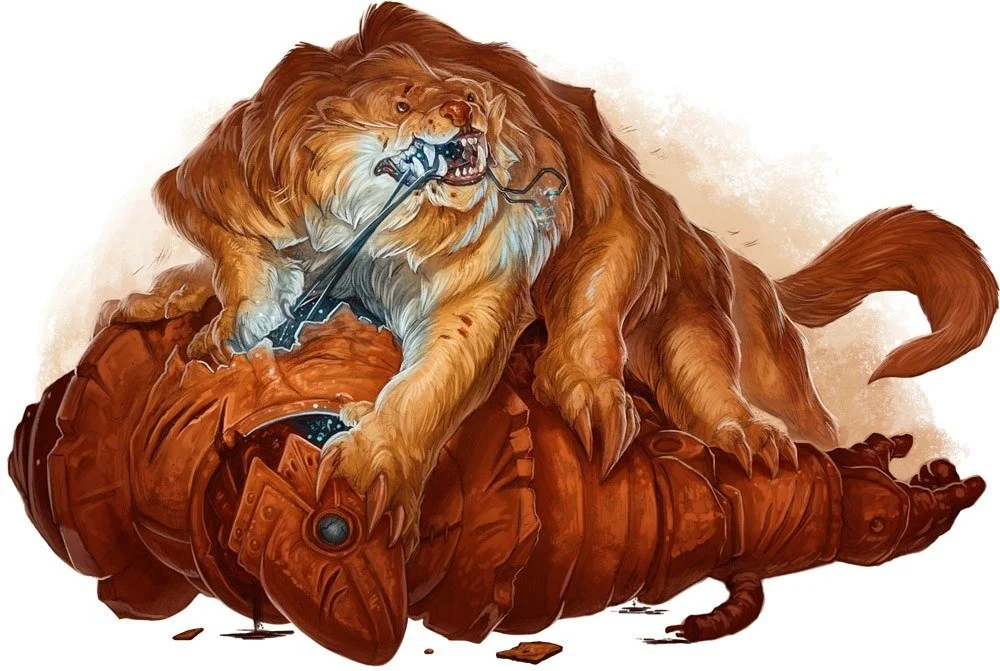
What does a yeti want? According to The Abominable Snowman (1957), it’s mostly to be left alone, although with a hint (not fleshed out) that they are waiting for humanity’s inevitable demise so they can descend the mountain and take over the world. The most memorable Yeti-based scene in the film is the Yeti’s huge hand reaching under the tent and grasping at the expedition party’s rifles like an adult rummaging through nerf guns. To make the yeti more interesting, I am going to lean into this angle. Yetis are curious and even covetous of the advanced technology of the more humanoid species, and particularly of the expert craftsmanship from dwarves and gnomes and the enchanted items of elves. If given an opportunity, they will kill to get their hands on something like a crossbow or something mechanical like a gnomish flintlock or any obviously magical item. Yetis cannot ordinarily make use of such technology (or magic) due to it being built for much smaller, more nimble hands but they are fascinated with it all the same.
3. Cool monsters have something worth wanting.
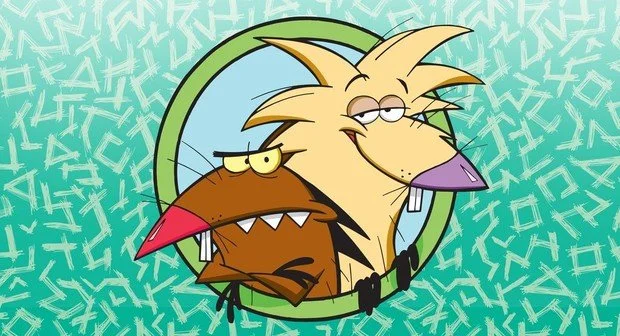
In OSRish games, this is typically some sort of pecuniary reward. Is the dragon guarding a whole mess of treasure? Does the vampire have a magic hammer or a giant castle for the taking? Once you’ve slain the giant beaver, can you take its young and sell them into slavery in what is, bafflingly, already a thriving market? The more the first two checklist items are true, the less this one needs to be true because if it is a threat and wants something from the player characters, it doesn’t matter much about if the player characters also want something back. But if those two are not as strong, then this one needs to be beefed up to compensate. These first three checklist items all combine to essentially ask “how sticky is this monster?” The stickier you can make the monster, the cooler it will likely be.
Because vampires are typically powerful nobles, they are likely to have items or landed estates that the player characters will be chomping at the bit to take if they can. The ur-D&D vampire, Strahd, sort of cheats at this by trapping the player characters in his magical realm of mist and fog and then plants a big, glowing exit sign above his head. But “the only way out is through me” is also a tried and true way of making the players want something from the monster.
The A+ answer to this, when facing a more monstrous and less human enemy, is to emphasize monster parts. Maybe the monster’s eyes, wings or tail are important components in crafting some magic item, or maybe you just want to boil it, mash it and put it in a stew (and for this reason, my Cooking Minigame has benefits to cooking that are only obtained by including some monster parts in the recipe). The Blog of Forlorn Encystment’s The Monster Economy of AD&D post (linking it a second time because maybe you weren’t already tempted by what I said about giant beavers) has lots of other examples of how to have fun and profit from your monster hunting.
The C- but technically still passing answer to this is the bounty (or quest). Someone somewhere wants this monster dead (or captured) and they want you to do it. And maybe you’ll do it because you just love that someone, or maybe they have something you want (typically gold coins) and you’re doing it in exchange for that. This basically substitutes the “something you want” from the questgiver to stand in for the monster that lacks that. But sometimes we just want to see Hercules fight a hydra and don’t otherwise have a good reason why he would want to go to the lake of Lerna.
Why did the explorers in The Abominable Snowman (1957) seek the yeti? Honestly, just because they could. In search of the unknown is, however, a less strong motivator in an actual fantasy world where there are strange and unusual monsters lurking in every cave formation. So why would player characters seek out a yeti that could possibly kill them? The most cliche answer would be that the yeti is a threat to some nearby settlement; it’s been coming in on cold nights and rampaging, breaking shit and killing folks. But I think I would prefer, to build off my answer about what a yeti wants, is that the yeti is like a dragon in that it guards treasure. In this case, the treasure is mostly mechanisms and magical items that it craves, and that the player characters wouldn’t mind getting their hands on as well. The yeti may even have found some lost civilization, empty of its original inhabitants but full of eye-popping technology for the yeti to gawk over. And the yeti is very territorial and unlikely to share its finds with hapless adventurers who have come to strip the place for +1 swords.
The more giant beaveresque (weirder but therefore much more juice) answer is that the nearby sultan wants yetis. Specifically, he wants juvenile yetis because if you capture a yeti when it is young and shave off all its fur (an arduous process and one that must be repeated daily), the yeti will grow to merely 7 feet in height but with nearly none of the wild aggression and even what can be interpreted as a strong sense of loyalty. These shorn-yeti are also just as capable of speech, reading and writing as any human, if given the training. They are, or so the sultan believes, the perfect troops for the sultan’s household army, and he pays well for their capture.
4. Cool monsters have uncanny skills.
This is probably why they are a threat that have stuff worth wanting in the first place. But this is a big part of what makes a vampire so cool. After all, most monsters are one-trick ponies. They are like X-Men who can do one incredibly fantastic thing and that is the centerpiece of their whole personality. Vampires, on the other hand, are like Superman where they have a collection of so many powers that you sometimes forget “oh yeah, Superman can blow, like really well.” Off the top of my head, vampires are faster, stronger, smarter and more charming than your run-of-the-mill human. They are ageless; can shapechange; have heightened senses; can fly; can turn into mist; can summon bats, rats and wolves; regenerate wounds when in their coffin; have powers of mind control; and probably a few more talents I’m missing. That’s way more than just “can fly and breathe fire”. Too many cool things can occasionally make a monster fiddly to run, and the vampire is toward that end of the scale (if not at the absolute maximum end of it), but the monster should at least be able to do some cool stuff. Everyone especially loves a trick monster.
Yetis are strong and do have a number of cool things they can do. The original D&D yeti (from the AD&D 1e Monster Manual) is impervious to cold, can deal 2d8 additional cold damage on a critical hit with their claws, causes temporary paralysis from fear when an opponent looks into its eyes on a surprise, and are nearly invisible from far away (presumably only in the snow). I like how later editions may have also given some yetis frost breath but that just leaves me cold, idiomatically speaking. This isn’t vampire level, but neither is it a featureless collection of hit points pretending to be a monster. I will give the yeti some extra bells and whistles when I get to #7 below, but for now, I will just add one more trick for the yeti’s sleeve: in addition to the yeti having frigokinetic invisibility (I learned a new word and now so did you), we will give the yeti frigokinetic regeneration: the yeti has the regeneration powers of a troll but only while in the snow. And, like the troll, this regeneration does not function for wounds done by fire, which is a perfect segue to...
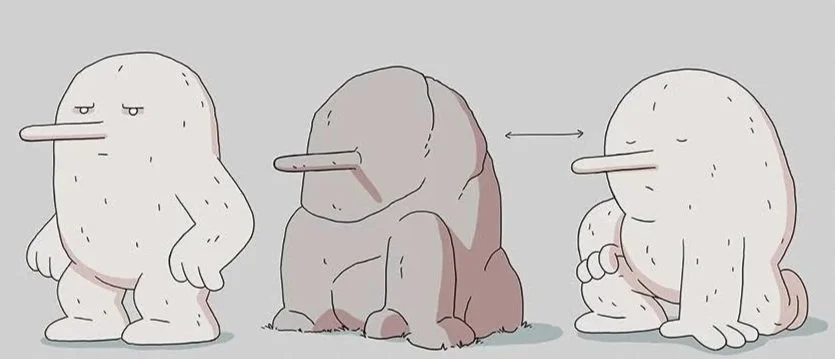
5. Cool monsters have exploitable weaknesses.
This is actually more important, by an order of magnitude, that the monster’s uncanny skills and yet so often is totally ignored in monster design. Sure, the scary monster can do scary things to you, but it is often more memorable of the ways they are more feeble than the ordinary person. Learning and targeting a specific vulnerability is one of the joys of video game boss fights, but I think it is also an idea that has a ton of juice in TTRPGs, as seen by popular posts extolling some of the best ways to represent weaknesses (and the puzzle it can present) like Nested Monster Hit Dice and The 1 HP Dragon. The aforementioned troll is weak to fire in D&D or sunlight in most other fairy stories. The medusa can turn you to stone but can’t look at her own reflection in the mirror. Fáfnir is a dragon with nearly invulnerable scales but, like Smaug, has a vulnerable spot on its underside (although perhaps its true weakness is greed). My favorite is the various devils and demons who can be bound by (among other things, such as their true names) ordinary circles of salt. My characters always carry salt into the dungeon, just in case of demons or monstrous snails.
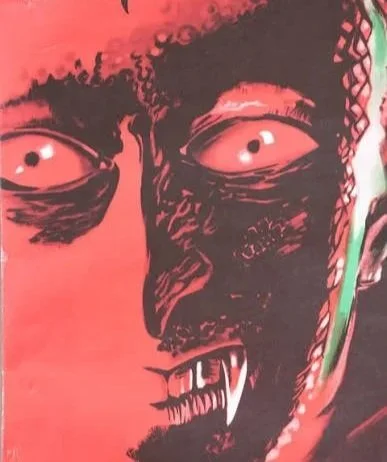
Perhaps no monster has more random-ass folkloric weaknesses than the vampire. Sunlight, crucifixes (or holy symbols in general), running water, wooden stakes, garlic, being unable to enter a house without an invitation (my favorite), no reflection, cannot cross over lines of rice grains, compulsion to count things (especially coins) when they are dropped in front of them. My own ruleset for playing as a vampire includes a random table of weaknesses other than the “core” vampire weaknesses, and almost all of them come from one culture or another’s version of the vampire. Yet so many weaknesses don’t make a vampire seem weak. A vampire is scary! But it makes it cool. It gives it far more juice than if it were yet another undead that ultimately wants to eat you. The vampire has so many tools to achieve their goals, but there are so many tools the player characters have to frustrate them. There are secrets to learn about the vampire, and the players are rewarded for knowing or uncovering them.
The yeti does at least have one major weakness already. To quote the original monster manual, “Because of their adaption [sic] to cold, yeti are very susceptible to fire, and attacks employing such heat do 50% greater damage.” It stands to reason, because the yeti is capable of reason (it is of “Average” intelligence), that the yeti would also be afraid of fire. In the prior section, I also added a caveat to the new power I gave them that their trollish regeneration ability does not function when attacked by fire, just like your garden variety troll. This is in all honesty enough for me to consider this checklist item crossed for the yeti, but I will give it one more that’s totally unrelated to fie for good measure. Based on the yeti’s origins involving Tibetan Buddhism, and more specifically the many legends of yetis becoming helpful disciples of various Buddhist lamas and yogi, the yeti is susceptible to a cleric’s “Turn Undead” ability. However, if the ability is successful it does not “turn” the yeti in the traditional sense. Instead, it causes the yeti to repent of its prior wickedness and follow the cleric as a disciple, until the cleric does anything to lose the faith of the yeti.
6. Cool monsters make a certain sort of sense.
It would be prima facie absurd to claim that vampires or yetis should be “realistic” in the ordinary sense of the word. Because neither vampires (if you buy into the vast bureaucratic coverup) nor yetis (despite the best efforts of amateur photographers around the world) actually exist in the real world, neither can be more or less realistic. By this logic, a vampire who stalks their prey at night is just as realistic as a vampire who stalks their prey in full view of the sun. This line of reasoning is totally unsatisfactory. We all know which of those a real vampire would do.
As I’ve argued for years, “realism” in roleplaying games, particularly of the fantastical variety, is more about verisimilitude. It is determined by whether fictional effects seem to flow logically from the fictional causes. When we establish that a vampire is Chiropteran and is harmed by direct sunlight, it means that the day-hunting vampire is not a realistic vampire. We set up facts about the fiction but then assume that things behave according to our real world logic based on those facts the same way they do in reality. I’ll save you the full brunt of a theorypost (although the aforelinked post plus the short follow-up post are still there for theorysickos), but the end result of my idiosyncratic definition of realism is that player agency is reinforced when the fiction of the world, even if it is something totally unreal, behaves in logically consistent, and sometimes predictable, ways.
A level beyond mere Prismatic Realism is the vaunted Gygaxian Naturalism. Gygaxian Naturalism involves describing the unreal aspects of the world, and monsters in particular, with enough specificity to “paint a picture of a ‘real’ world, which is to say, a world that exists for reasons other than purely gaming ones”. Good monsters clear the bar of Prismatic Realism, where the things they do make some semblance of sense, but great monsters embody Gygaxiam Naturalism where they have enough detail to almost read like real beings from another time, planet or dimension. This kind of detail is not easy to achieve. This takes legwork.
The vampire and yeti both have a leg up on the new monster you may be dreaming up. They, and most established creatures of myth and fantasy, already have a deep sense of realism and naturalism from being the subject of centuries of stories and folklore. In fact, there even are people who will swear to you that one or the other or both do in fact exist in our real world, for those with eyes to see. Far fewer cranks are willing to tell you straightfacedly that the beholder exists. If you are designing a monster that is more beholder than it is yeti, I would advise you to think about (1) what environment is the monster native to (this may be different than where it thrives; some of the best monsters are invasive species like feral hogs or humans), (2) what does it eat, (3) what wants to eat it [2 and 3 will also help you flesh out your encounter table, and how to restock it when your monster is hunted to extinction], (4) how it interacts with other creatures in its environment other than those in 2 and 3, (5) what creatures the monster is most analogous to in the real world (past or present), (6) the lifecycle of the monster and what sort of family units the monster forms, (7) whether the monster is solitary or congregates in groups, and if so in what size, and (8) how the monster’s abilities help it outside of combat. Not all of these answers will be interesting enough to even jot down in your prep but purely through the exercise of thinking through them, you will end up with a more “realistic” and therefore cooler monster.
7. Cool monsters have multiple forms or illusions.
Perhaps the most optional item in this checklist, but I feel strongly that it should be included because it is very high on the juice factor. But that juice may be watered down somewhat if every single monster the player characters come across has some sort of disguise or changes forms mid-fight. Variety is the spice of life. But, as it comes to a single monster, playing with multiple forms adds variety and spice to that monster.
There are plenty of ways to check this box. You’ve got your disguise monsters, like mimics, doppelgängers, or even chromatic dragons. You have monsters that transform in combat, perhaps intentionally like the vampire or (typically) unintentionally like the werewolf. And even those transformations are quite different in that the person becomes a wolf to be more of a threat in combat whereas the vampire typically becomes a bat or a cloud of mist in order to escape combat when the going gets tough. There can also be “boss” monsters that change (either getting tougher or forcing the player characters to rethink a strategy that worked in an earlier phase of combat) over the course of a combat, similar to phased encounters in JRPGs.
Vampires have a bevy of transformation powers that are core to their identity, but yetis just aren’t very subterfugitive, so disguises and transformations seem more out of place. However, to hit this mark on the checklist purely for this thought exercise, I will give the yeti some limited transformation/misdirection type power but lean even further into the “you don’t want to fight the yeti in cold places” direction I’m already leaning way into. The yeti is typically a solitary hunter, but when an aurora polaris is in view overhead, it can cause 1d6 false yetis to appear all around the yeti. It is unclear which yeti is the “real” yeti and which are the illusions created by the natural light phenomenon overhead. A false yeti disappears into thin air upon being attacked.
8. Cool monsters are animalistic and humanistic.
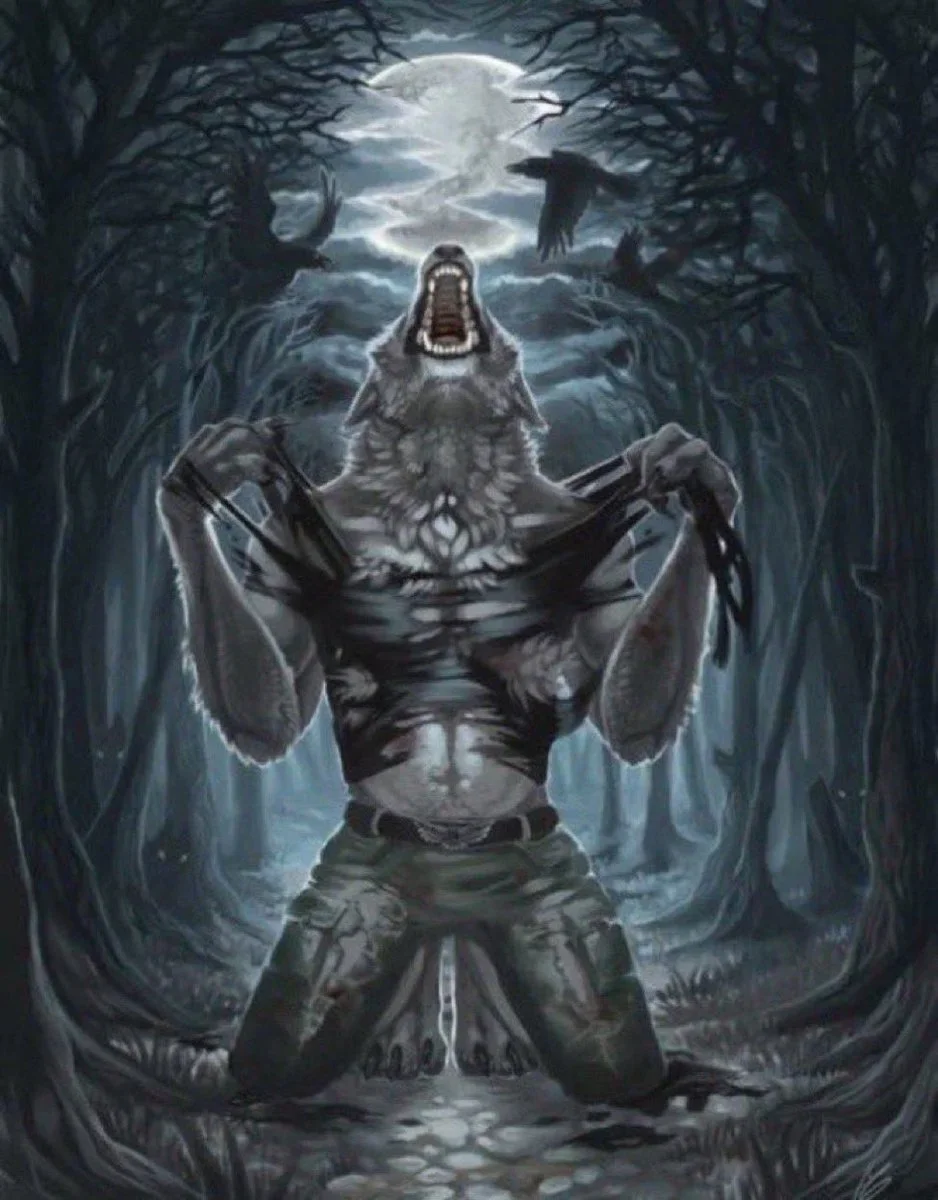
Sometimes monsters are literally animals, but the best monsters aren’t purely animals (besides, admittedly, dinosaurs, which can be verified by any toddler as cool indeed). Similarly, some monsters are basically just normal men but even then it seems like most go to some length to other the person so that the player characters can feel justified in fighting them, in ways that may feel good or bad depending on the approach. The coolest monsters tend to draw a bit from both sides of the animal-human false dichotomy I am setting up. For instance, dragons are clearly some type of beast, but some of their most interesting aspects are the ways they reflect aspects of humanity in their greed and hubris. Whereas some of the most interesting human-ish monsters got a bit of animal in them, e.g., mindflayers (octopus), medusae (snake), harpies (bird), orc (pig), and the list goes on. Frankly it seems like “human plus a dash of some animal” is the most reliable monster recipe.
Vampires fall into this category. They are undeniably human-ish, but with aspects of bats and even wolves to both their abilities and their demeanor. It is more than just the fact that they can transform into these animals (although that’s a good indicator), vampires are apex predators, stalking and hunting their prey. Vampires are also a good example of another benefit of giving animalistic tendencies to mostly human monsters: it provides characterization. Although the exact personifications vary from culture to culture, humans have long projected human traits onto animals (a fox is cunning, a wolf is vicious, a snake is scheming) which can now be flipped in the other direction to personify human characters. You are going to roleplay a character who you’re told has a wolfish personality differently than you will the rat-like character.
Yetis are more animal than human, but they ride the line of this distinction due to their position as a “missing link” between us and our simian cousins. And they could definitely be run as more human, in the realm of “Neanderthals” in my Killable Peoples typology. After all, I already cited the Monster Manual as evidence of their “Average” intelligence. However, I’ve typically seen them played more like the abominable snowman from Rudolph the Red Nosed Reindeer (and have used them exactly like that myself in Castle Claus). So instead of thinking of a way to make them even more like an animal, I think it is more fruitful to make them even more like a human. So to tie it back to my addition in #2 above, I will emphasize the yeti’s humanish traits of curiosity and ingenuity. The yeti is not innately hostile and predatory like a vampire. They may follow the adventurers and imitate their actions. If they get their hands on some of the player character’s equipment, they will try to figure out how it works. I also like this because if that is the first interaction with the yeti, even if the players are there to hunt them like the expedition of The Abominable Snowman (1957), it gives them pause and makes them wonder if maybe they shouldn’t fight this supposed beast. It’s just like us!
9. Cool monsters have a cause downstream of the world.
The real monster is actually [fill in the blank]. The blank is usually going to be some combination of capitalism or colonialism or xenophobia or all of that stuff commonly understood by decent people to be as bad as they are prevalent. I could write a whole post about this element of a cool monster, but it wouldn’t hold a candle to the classic Throne of Salt post, D&D Doesn't Understand What Monsters Are. If you haven’t already read it (and even if you have), go ahead and open it in your tabs. Read it now and come back to me.
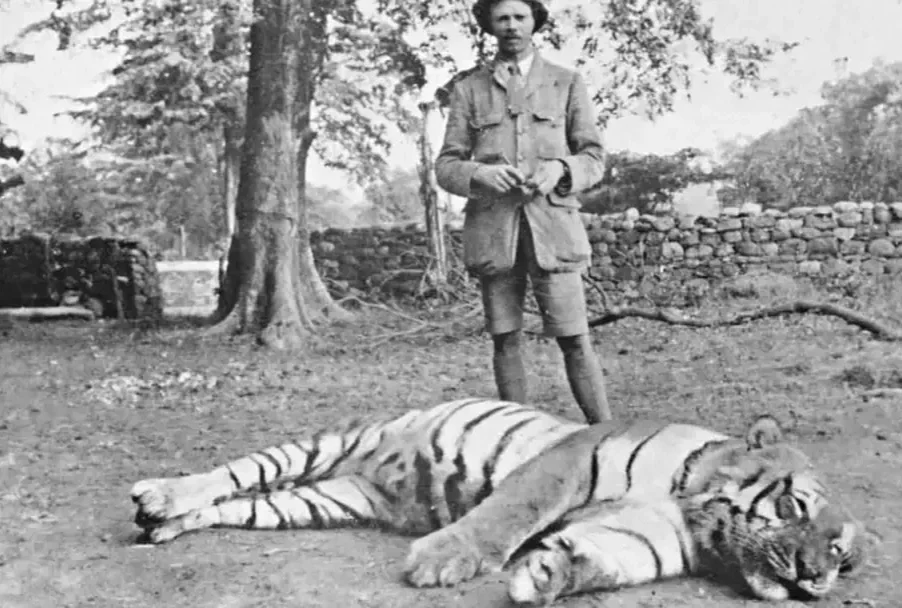
The real monster isn’t the vampire, it’s nobility. A small clutch of people who think they’re better than everyone else and have the material means to enforce that belief. The nobility are metaphorical parasites, living off the labor of others and providing nothing in return. They bleed the peasants dry. It is no wonder that some of these nobles, although the method by which this occurs is up for debate, become literal parasites. Nobles feed off the sweat of the peasantry, but those nobles who become vampires feed off their blood as well.
The real monster isn’t the yeti, it’s humanity’s expansion. If left to their own devices, the yeti is just part of their ecosystem. They do not over-hunt, they do not over-extract, they live in relative harmony with nature because they are part of that natural world. Humans, however, cannot be left alone. The realm of humankind sprawls and expands like an invasive weed. They come into the yeti’s territory to pollute its water, to extract the ore beneath its feet and even to hunt the yeti. If they can maintain a foothold, the yeti will be yet another example of big game hunted to near-extinction by humanity. Maybe they already were. Yetis have no choice, therefore, but to be aggressive in defending themselves. To the “monster”, you’re the monster.
A Better Yeti
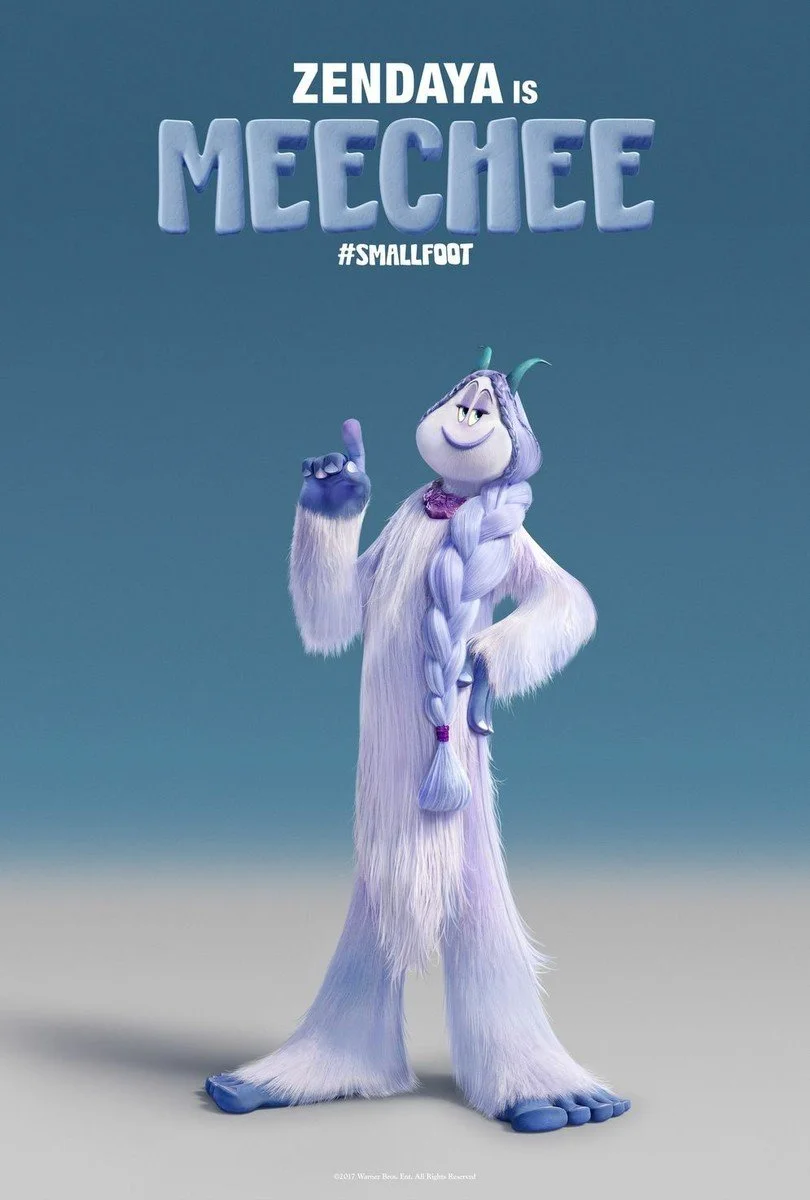
The following statistics and description come from the original monster manual, with my own changes and adornments in black bold (and also the d20 table, that’s new too) and deletions in black strikethrough.
Frequency: Very rare
No. Appearing: 1d6
Armor Class: 6
Move: 15”
Hit Dice: 4 + 4
% in Lair: 10%
No. of Attacks: 2
Damage/Attack: 1d6/1d6
Special Attacks: See below
Special Defenses: Impervious to cold, Regeneration in snow
Magic Resistance: Standard
Intelligence: Average
Alignment: Neutral
Size: L (8’ tall)
Psionic Ability: Nil
Attack/Defense Modes: Nil
Inhabiting only regions of icy cold, yeti are seldom encountered by warm-blooded mankind. Those who do have the misfortune to stumble upon these monsters seldom live to tell the tale for yeti are very fond of human flesh.
Yeti attacks with two clawing strikes, and if any one of these attacks succeeds with a die score of 20 the yeti has grabbed and squeezed his opponent for 2d8 points of additional damage from the chill of the creature. Worse still, if the creature surprised an opponent, a saving throw versus paralyzation must be made, or the victim has looked into the creature’s eyes and is rigid with fright for 3 melee rounds and can be automatically struck twice and squeezed by the yeti.
While in snowy environments, [y]Yeti are nearly invisible until within 10’ to 30’ of their prey. (For each level above 1st add 5% chance of spotting a yeti at normal distance, i.e., a 2nd level character has a 5% chance of spotting one.) 3 melee rounds after being damaged, a yeti will begin to regenerate if it is actively snowing. Regeneration repairs damage at 3 hit points per round; this regeneration includes the rebonding of severed members. The hairy members of a yeti have the ability to fight on even if severed from the body but only if it is snowing; a hand can claw or strangle, the head bite, et cetera. Total dismemberment will not slay a yeti if it is snowing for its parts will slither and scuttle together, rejoin, and the yeti will arise whole and ready to continue combat. To kill a yeti while in the snow, the monster must be burned, any separate pieces being treated in the same fashion or they create a whole again in 3d6 melee rounds.
Because of their adaption [sic] to cold, yeti are very susceptible to fire, and attacks employing such heat do 50% greater damage.
While in view of an aurora polaris, yeti can use the mirror image (3 images) spell once per day.
When successfully targeted by a cleric’s “Turn Undead” ability, the yeti will repent of any prior wickedness and agree to follow the cleric as a disciple, until and unless the cleric does anything to lose the yeti’s faith.
If found in their lair there is a 30% chance that there are 1-3 females there also, and a 15% chance of an additional 2-5 young if females are present. the number appearing is as follows:
| 1d20 | Yeti Congregation |
|---|---|
| 1-14 | No. Appearing is unchanged. |
| 15-19 | No. Appearing is 1d10, and half (rounded up) are mated pairs. |
| 20 | No. Appearing is 1d10, half (rounded up) are mated pairs, and there are an additional 1d4+1 juvenile yetis. |
Juvenile yetis of under 8 hit points can be subdued, captured, and sold to nobility for anywhere from 200 to 300 gold pieces per hit point. It is common for nobility to keep juvenile yetis shorn and train them to speak, read, write and be loyal soldiers in the employ of the noble’s family.
Yetis are curious and even covetous of the advanced technology of the more humanoid species, and particularly of the expert craftsmanship from dwarves and gnomes and the enchanted items of elves. If given an opportunity, they will kill to get their hands on something like a crossbow or something mechanical like a gnomish flintlock or any obviously magical item, they will kill to do so. Yetis cannot ordinarily make use of such technology (or magic) due to it being built for much smaller, more nimble hands but they are fascinated with it all the same.
If the result of the reaction roll indicates a neutral or better reaction, it is still shy and may follow the adventurers at a distance and try to imitate their mannerisms and sounds due to its curiosity. However, if the adventurers appear to be hunters or prospectors, roll for reaction twice and take the worse result.
Description: These bulky, 300+ pound, creatures are covered in long white fur. Their eyes are pale blue or almost colorless. Their claws and teeth are ivory white.
2-Year Delayed Blogwagon Roundup
Speaking of vampires, back in Halloween 2024, I hosted a proto blog bandwagon on vampires but that was before I did proper roundups for the resulting posts. And it was a great one. For instance, remember me mentioning the adventure A Perfect Wife early in this post? That began as a blog post for the blogwagon! As a recompense to not having a proper roundup back then, here are all of the vampire posts from two years ago:
Being a Vampire Doesn't Suck (Prismatic Wasteland) - Rules for vampire player characters, including random tables for unique vampire powers, weaknesses, and vampire-hunters to make your vampire stand out from the bat pack
Videogame! Villain! Vampire! (Playful Void) - What makes a vampire a fun antagonist and a looming presence throughout an adventure, not simply an endgame boss battle in the dungeon
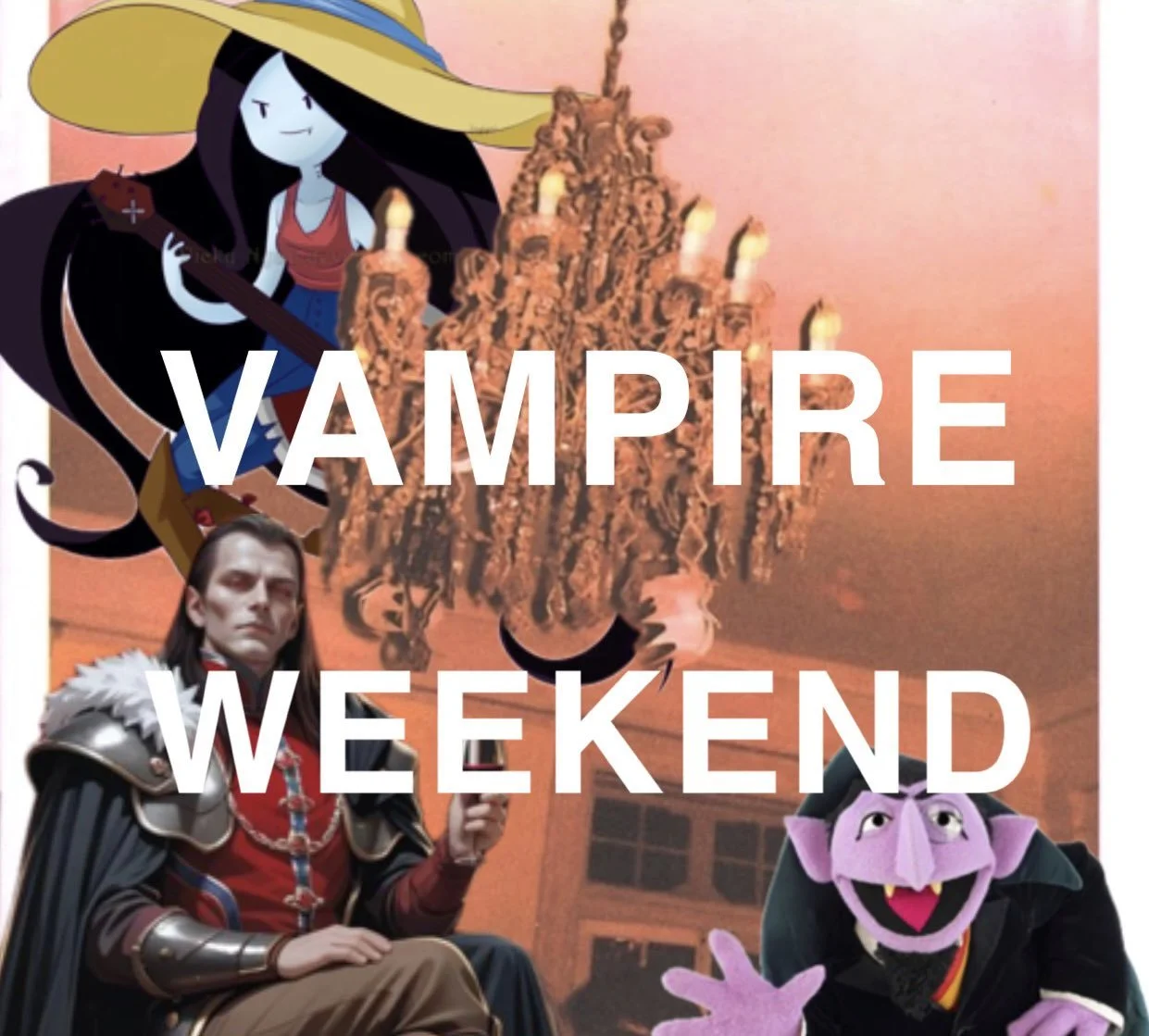
Vampire Weekend: "Playtime's over! Grant me power!" (Half Again as Much) - Why you should let your vampires transform into big, silly looking monsters like in Castlevania
A PERFECT WIFE (Slow Loris Press) - A whole ass adventure (with amazing illustrations) themed around the Pontianak, a Southeast Asian vampire-like monster set in a more modern setting
Vampiric Temptations and Tyranny (Weird Wonder) - On the passions of tyrannical vampires and how to use their passions against them
Vampire Weekend (Rise Up Comus) - Presenting four categories of vampires and rules for using them in hit RPG sensation, His Majesty the Worm. Also some rules for ghouls and hags as an extra spooky treat
1d6 Vampiric Backgrounds (Elsewhere Elsewhere) - Six vampire themed backgrounds for Cairn, each dripping with so much flavor. Or blood, perhaps
The Mark, a contagion mechanic for your vampires (OneZero) - Oops, you fought the vampire too hard and now you’re becoming one!
Monsters of Eberron: Vampires (Keith Baker) - What makes vampires spooky, and where might players encounter them in the Eberron setting?
A few tables of vampiric inspiration (Personable Thoughts) - Three random tables to generate unique vampires and even to use them as quest givers
Dragulas; Or: Vampire Cars; Or: Fool! I Said A Pontiac, Not A Pontianak (Archons March On) - Cars that awaken as dread creatures of the night that prefer blood to gasoline
The Doom that Befell Sorne (Crab Dungeon) - Another adventure featuring a salamanderish vampire that is terrorizing a village, as one does
MORGANSFORT: THE FEARLESS VAMPIRE KILLERS (Papier und Spiele) - A play report of enlisting the help of a vampire hunter to take down, you guessed it: a vampire
Completely Normal Girl With Too Much Blood (The Whimsical Mountain) - A GLoG character class designed to be romantically appealing to vampires
Vampire antagonist generator! (Creative Wronging) - Gives your Vamp a Name, a Sustenance, and a Weakness to find/exploit
Vampyr: the Edge Lording (Wayspell) - Vampire the Masquerade GLoG hack that definitely was posted on Saturday with the rest of them!
If you missed that blogwagon, my bad news is that it was two years ago, so you actually are quite late to get in on that. The good news is you are just in time to join the latest one, which is on the topic of “player advice”.
That sure is a lot of posts about vampires, but not to be outdone, here are all the great blogposts about yetis:
[end of list]