So You’re Too Good For A Surprise Egg?
Children have a seemingly innate understanding of fun and games. Perhaps the more you learn about wages and interest rates, the more your once keen sense for playfulness dulls. Whatever the case, it is never a bad idea to try and view your elf game theories from a 3-foot vantage point to see if they pass the test. For instance, does high agency play (e.g., information, choice impact) pass the test? Flying colors: kids go gaga for agency. Here is an idea I see touted all the time (paraphrased): don’t give me 6 random options for something, pick the best option and give me that. I’ve seen this advice bandied about so often that it risks becoming common wisdom. I won’t stand for that. I hate wisdom. That’s my dump stat.
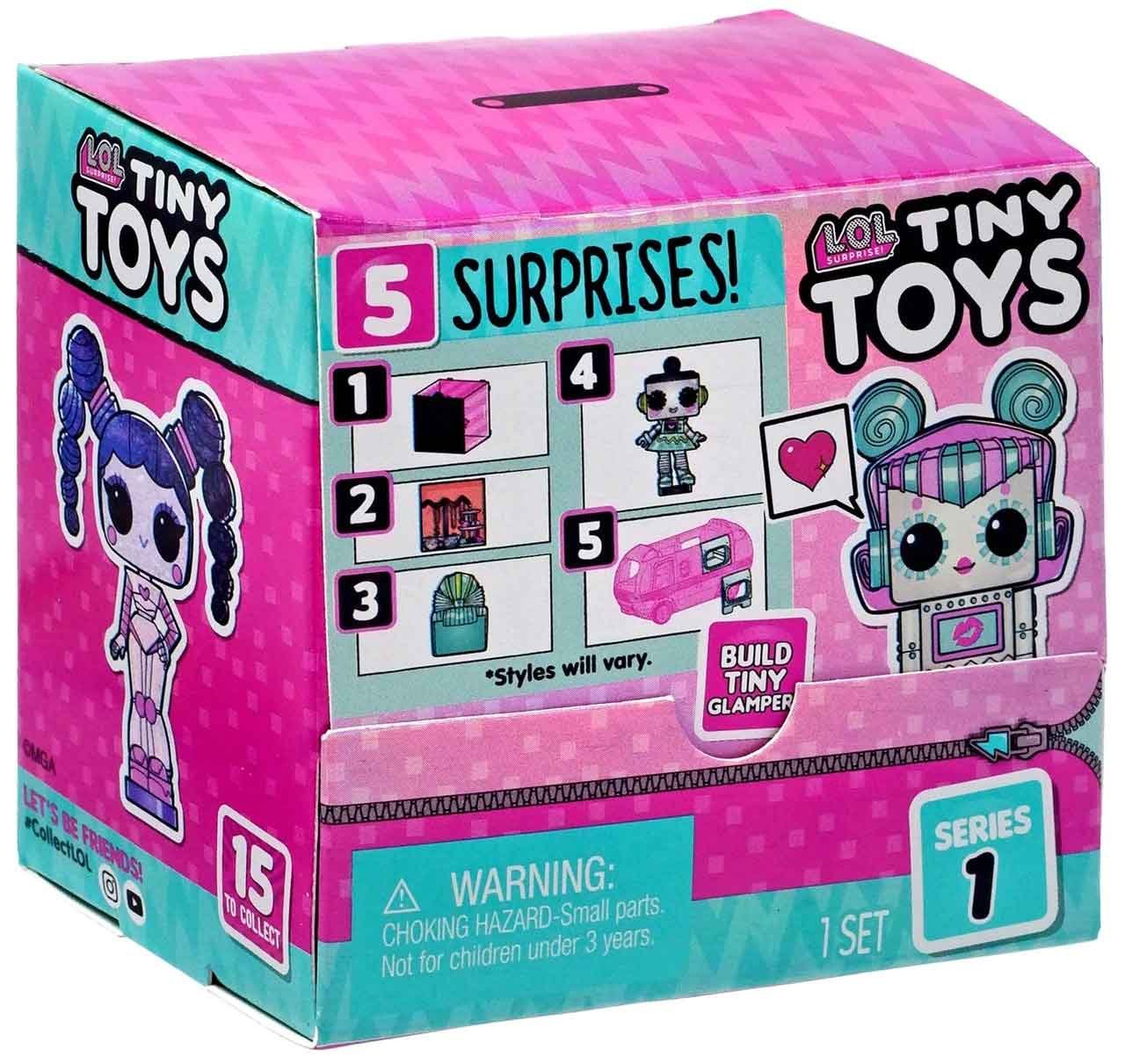
Imagine you are going shopping with a child. You’re trying to get in and out with the items on your list as quickly and tearlessly as possible. You have wisely (you son of a bitch) avoided the toy aisle, but those devious retailers have stocked the check-out with no shortage of useless chunks of plastic and cardboard painted up to maximally lure children like a siren’s call. They want a surprise egg (a little plastic ball that has some random plastic toy inside) or a booster pack of trading cards. The concept is the same. You want to convince them to not purchase it, so what do you do? Let’s assume you only know concepts you’ve read on RPG blog posts. A fair assumption.
You, the wise adult, get a big, grinchy smile on your face as you realize the perfect argument to convince them to forego the mystery egg. There are 20 different possible plastic figures that they might get (or perhaps even more variation, especially for a booster pack of cards), but among those possibilities it stands to reason that some would be more fun than others for that particular child. You explain that instead of getting a mystery egg with a chance to get the ideal toy but also a chance at getting a stinker of a toy, you–a gaming economist–explain that you can just go on eBay and find that exact toy and order it. No need to take a chance! How will the child respond? They will either pickpocket you to pay for the mystery egg or bend bars, lift gates depending on their character class.
Why did you fail? It isn’t that the advice is always bad! If you had decided to walk down the aisle, you would notice that the majority of toys aren’t surprise boxes. But it is a popular toy category (this may be my first time linking out to a mommyblog) for a reason. So just like not everything in your adventure needs to be randomized, it is a mistake to take the “just choose the best result and use that instead of 6 good possible results” too far. The surprise, the uncertainty, the possibilities is itself part of the fun. Open yourself up to chaos. Try your best to make all the randomized options equally compelling, of course, but if you want to write an adventure where the ideal, most interesting thing happens every single time, then cut out the player character choices altogether and write a novel instead.